Palm Coast & Flagler County Roof Repair
Roof leaks in Palm Coast need a calm, practical inspection path. AK Certified Roofing helps Flagler County homeowners check active leaks, storm-related roof concerns, flashing issues, pipe boots, damaged shingles, and other repair needs before recommending the next step.
If the leak is active or urgent, homeowners can also review our emergency roof repair page for inspection-first next steps.
Inspection-first roofing help. We look for the source of water entry, document visible roof concerns, and explain whether a focused repair or broader roofing option makes sense.
Local repair support for homes in Palm Coast and nearby Flagler County communities.
Roofing guidance from AK Certified Roofing, with inspection and documentation first.
We explain whether a focused repair or broader roofing solution makes more sense.
Visible concerns are documented so homeowners understand the next step.
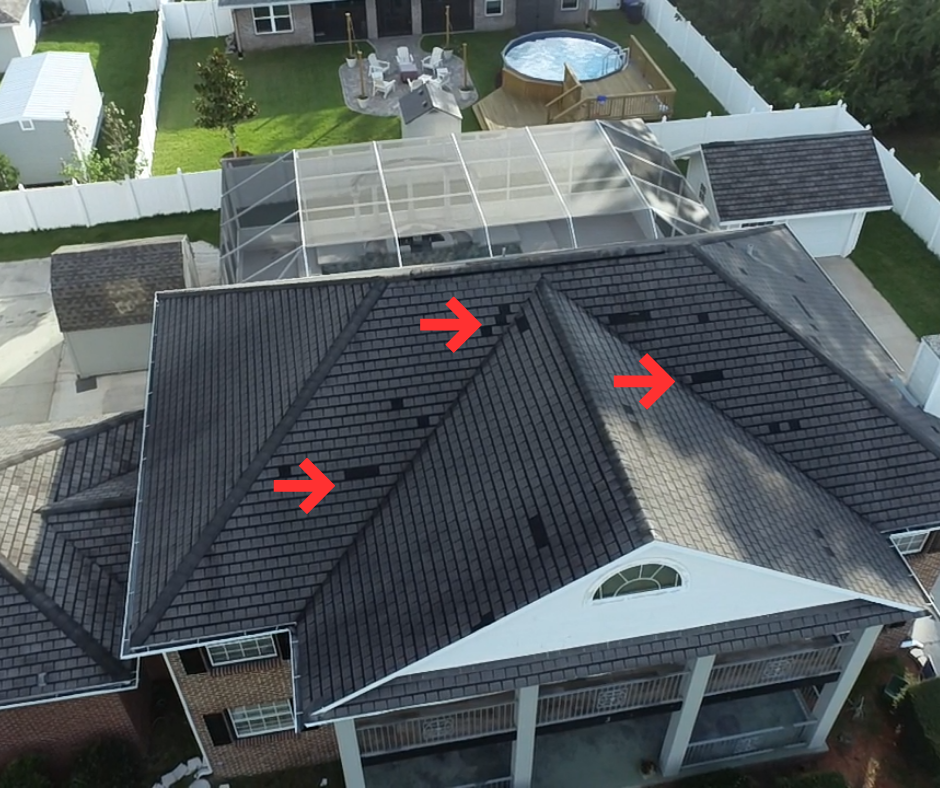
Palm Coast roofs can leak from storm damage, age, flashing issues, roof penetrations, lifted shingles, damaged vents, or wind-driven rain. The first step is to find the likely source, document roof conditions, and decide whether repair is enough.
Florida storms can expose weak points in a roof system. Wind-driven rain, lifted shingles, cracked pipe boots, loosened flashing, and debris impact can all create leak paths that are not obvious from the ground. A careful inspection helps separate an isolated repair from a larger roof condition. If your roof leak started after high winds or heavy rain, schedule a storm damage roof inspection in Flagler County so visible roof conditions can be documented properly.
Before heavy rain and storm season, homeowners can review our hurricane season roof inspection page for inspection guidance.
Not every leak means a full replacement is needed. A focused repair may solve an isolated shingle, flashing, vent, or pipe boot issue. Replacement becomes part of the conversation when leaks repeat, the roof is aging, damage is widespread, or several parts of the system are failing at once.
For broader repair guidance, visit our roof repair page. For local service coverage, see our Palm Coast roofing contractor page.
Roof leaks need an inspection-first approach because the first stain or drip inside the home is not always directly below the roof opening. These answers explain what homeowners should do when water appears, how leak sources are usually traced, when a repair may be enough, and when a broader roof condition review may be needed.
Protect the inside of the home first if it is safe to do so. Move valuables away from the leak area, place a container under active drips, and avoid climbing onto a wet roof or trying to find the leak during heavy rain. Then contact AK Certified Roofing so the roof can be inspected and the next repair step can be scoped.
The visible drip or ceiling stain is only a starting point. Water can enter at one roof detail, travel along decking, framing, insulation, or drywall, and appear somewhere else inside. A roof leak inspection should look at shingles, flashing, pipe boots, vents, valleys, roof edges, and nearby storm-worn areas before assuming the source.
Sometimes, yes. A roof leak may be repairable when the source is isolated and the surrounding roof system is still in serviceable condition. Replacement becomes more likely when there are repeated leaks, widespread wear, storm damage across multiple areas, soft decking concerns, or roof system problems that a small repair will not solve.
Common roof leak causes include damaged or missing shingles, cracked pipe boots, flashing concerns, roof penetrations, valleys, vents, lifted materials, clogged drainage areas, low-slope tie-ins, and storm-damaged sections. The right repair depends on where water is entering, what nearby materials look like, and whether the roof has other condition issues.
Water does not always move straight down. It can follow rafters, decking seams, insulation, drywall, or interior framing before it becomes visible. That is why a stain in one room does not automatically prove the roof opening is directly above it. AK should inspect the roof and visible interior signs together before identifying the likely water path.
Yes. Wind-driven rain can push water into weak points that may not leak during light rain. Flashing, pipe boots, roof edges, lifted shingles, vents, valleys, and storm-worn areas can all be vulnerable. If a leak appears after heavy wind and rain, the roof should be inspected before assuming the problem has passed.
No. If water has already shown up inside, waiting for the next rain can allow more interior damage and make the water path harder to manage. Photos of the stain, drip location, and timing can help, but the roof should still be inspected in safe conditions so the repair scope can be reviewed before the next storm.
Insurance coverage depends on the policy, cause of damage, timing, documentation, and the insurance company’s review. AK Certified Roofing can inspect roof condition and document visible roofing concerns, but coverage decisions belong to the insurer and policy process. Homeowners should not assume a roof leak repair is covered or denied until the appropriate insurance review has happened.
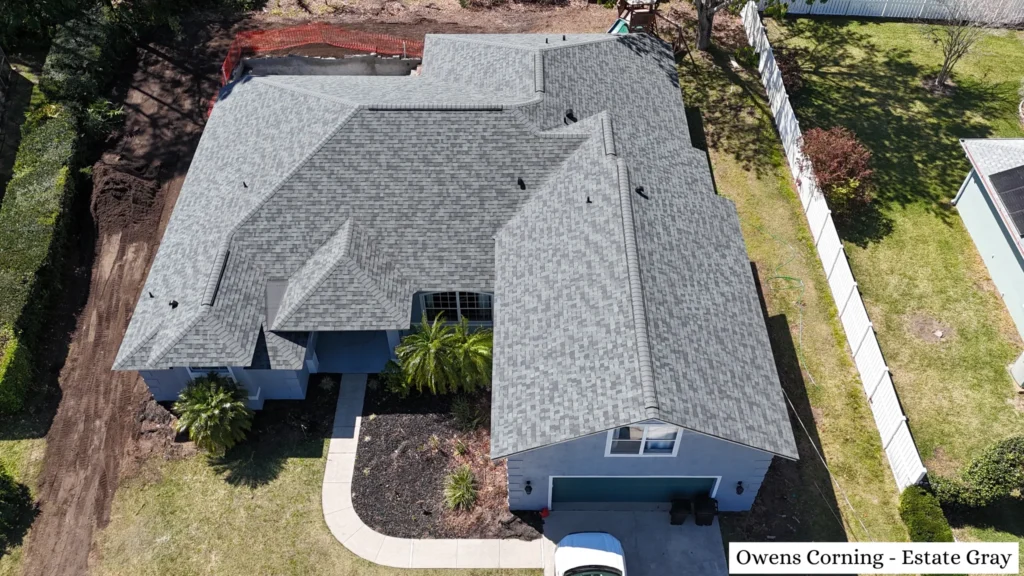
Homeowners should be able to see how roofing work is documented. Review our Palm Coast shingle roof replacement project for real project photos, materials, and completed work details from AK Certified Roofing.
If you notice staining, dripping, storm damage, lifted shingles, or a leak that keeps returning, schedule a roof inspection before the issue spreads. We will document visible concerns and explain practical repair or replacement options.
Move belongings away from the leak area, document what you can safely see, and contact a roofing professional for an inspection. Do not climb onto the roof during or after a storm.
Yes. Even a small leak can lead to decking, insulation, drywall, or interior damage if it is ignored. An inspection helps identify the source and the right repair path.
No. Many leaks can be repaired when the source is isolated. Replacement is usually considered when leaks repeat, the roof is aging, or damage is widespread.
Yes. Wind-driven rain, lifted shingles, loosened flashing, debris impact, and damaged pipe boots can create leak paths that may not be obvious from the ground.
Yes. Flashing, vents, pipe boots, valleys, roof penetrations, and previous repair areas are common leak sources and should be reviewed during a roof leak inspection.